
Industry 4.0 and Smart Welding: Digital Transformation in Welding Manufacturing
Industry 4.0 Integration: The Future of Smart Welding Manufacturing
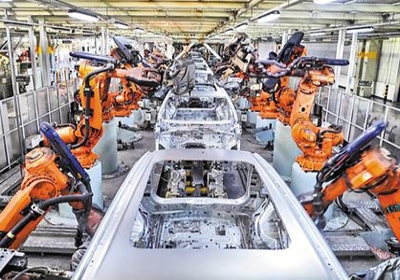
The convergence of Industry 4.0 principles with welding technology is creating unprecedented opportunities for manufacturing efficiency and quality improvement. Digital transformation in welding encompasses everything from intelligent equipment to fully connected smart factories.
Smart Welding Equipment Features
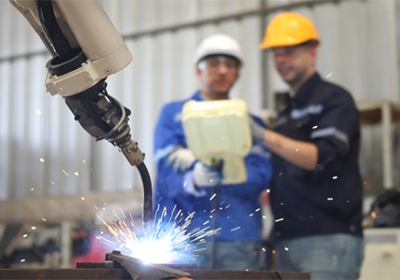
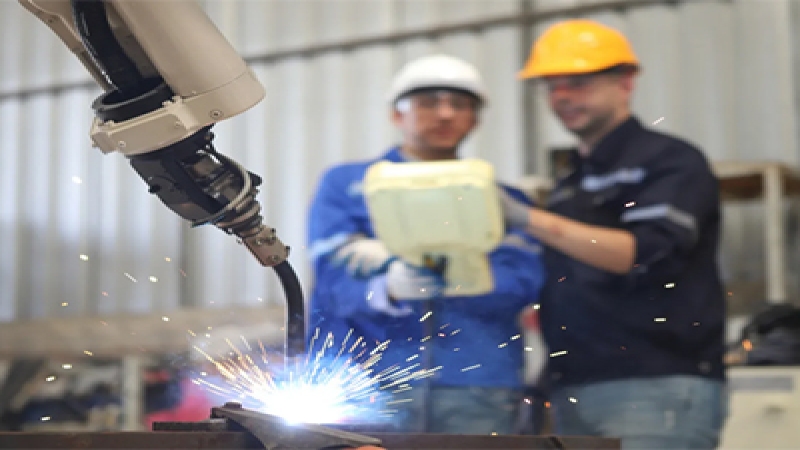
Built-in Sensors and IoT Connectivity: Modern welding equipment incorporates multiple sensors monitoring arc stability, wire feed rate, gas flow, and thermal input. IoT connectivity enables real-time data transmission to central monitoring systems, providing complete visibility into welding operations across multiple workstations.
Cloud-Based Process Management: Welding cloud platforms aggregate production data, enabling comprehensive analysis of welding parameters, quality trends, and equipment performance. Machine learning algorithms identify patterns and predict potential issues before they affect product quality.
Digital Twin Technology: Virtual representations of welding cells enable process simulation and optimization before physical implementation. Digital twins also support predictive maintenance by modeling equipment wear and failure modes.
Key Industry 4.0 Capabilities
Real-Time Quality Monitoring: Vision systems and sensors detect weld defects immediately, enabling 100% inspection without slowing production
Automated Documentation: Digital records of all welding parameters ensure complete traceability for quality assurance and regulatory compliance
Remote Diagnostics and Support: Equipment suppliers can provide remote troubleshooting and optimization assistance, reducing downtime
Production Analytics: Big data analysis identifies opportunities for continuous improvement in efficiency and quality
Implementation Roadmap
Successful Industry 4.0 integration in welding operations follows a structured approach:
Foundation Layer: Deploy networked welding equipment with standardized communication protocols
Data Collection: Implement MES and ERP integration for comprehensive production visibility
Analysis and Optimization: Apply analytics to identify improvement opportunities and optimize parameters
Advanced Automation: Integrate AI and machine learning for autonomous process control
Business Benefits
Industry 4.0 welding solutions deliver measurable improvements: 15-25% increase in equipment effectiveness, 30% reduction in quality-related costs, and significantly improved responsiveness to customer requirements. Early adopters report competitive advantages in quality, delivery, and total cost of ownership.