
Industrial Robotic Welding Systems: Core Technology and Application in Manufacturing
Industrial Robotic Welding Systems Transform Manufacturing Processes
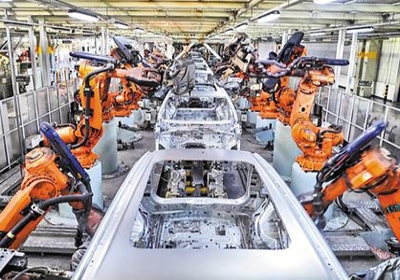
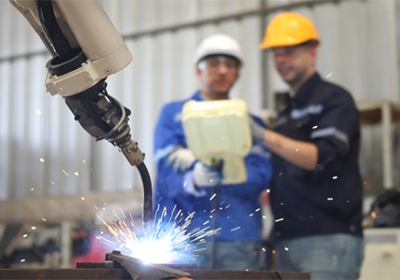
Industrial robotic welding systems have become an indispensable part of modern manufacturing. With their high precision, efficiency, and consistency, these systems are revolutionizing production processes across multiple industries including automotive, aerospace, shipbuilding, and heavy machinery.
Technical Core Components
Robot Body: Multi-axis articulated robots typically feature 6 or more axes, providing superior flexibility for accessing complex weld joints. Payload capacities range from 3kg to 20kg for standard applications, with specialized models supporting up to 500kg for heavy structural welding.
Welding Power Source: Advanced inverter welding power sources with digital control offer precise current and voltage regulation. Synergic welding modes enable automatic parameter matching based on wire feed speed.
Positioner and Fixtures: Rotary positioners and specialized fixtures ensure precise workpiece positioning and rotation, maximizing robot reach and welding accessibility.
Welding Torches and Consumables: Water-cooled torches with auto-feed systems ensure consistent welding quality. Specialized consumables for different materials and processes optimize bead appearance and penetration.
Industry Applications
Automotive Manufacturing: Body-in-white welding, chassis assembly, exhaust system fabrication
Aerospace: Aircraft structural components, engine casings, landing gear assemblies
Shipbuilding: Hull sections, deck structures, pipe systems
Construction Machinery: Excavator booms, loader frames, crane structures
Pressure Vessels: Tank fabrication, pipe spools, heat exchangers
Economic Benefits
Industrial robotic welding systems typically deliver 30-50% productivity improvements, 40% reduction in filler material consumption, and consistent quality that reduces rework rates by over 60%. Despite higher initial investment, the ROI period generally ranges from 18 to 36 months.